Cowboy Rider: Capturing the Spirit of the West
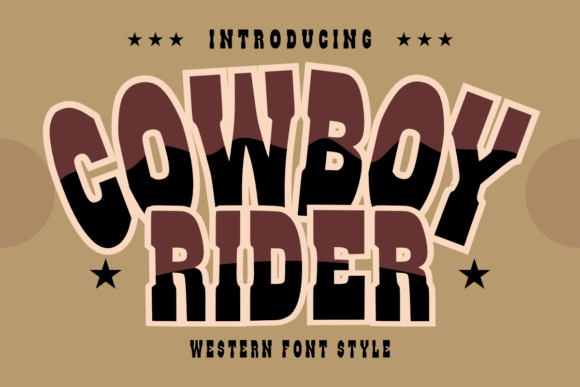
In the realm of typography, finding a font that balances distinct personality with practical application is a constant pursuit for designers and creatives. Cowboy Rider enters this landscape not just as a typeface, but as a visual statement. It’s a premium display font that channels the rugged charm and adventurous spirit of the American frontier. Its thick, stylized block letters carry a unique desert-inspired aesthetic, making it a powerful tool for projects that demand to be bold, memorable, and full of character.
Anatomy of a Frontier Typeface
At its core, Cowboy Rider is a study in deliberate design. The letterforms are substantial, with a weight and presence that immediately anchor a layout. This isn't a delicate script font or a neutral sans serif; it's a creative font built for impact. The visual personality comes from subtle details—perhaps a slightly weathered texture within the strokes or terminals that evoke the rough-hewn quality of old wooden signs. The overall style is one of confident simplicity, avoiding overly ornate flourishes in favor of strong, clear shapes that maintain their integrity at various sizes.
The appeal of a typeface like Cowboy Rider lies in its ability to evoke a specific mood and setting. It doesn't just display words; it suggests a story of wide-open spaces, adventure, and a touch of playful nostalgia. This makes it exceptionally useful for designers working in branding, marketing, or editorial design where establishing a clear tone is paramount. When chosen for the right project, it becomes more than just letters on a page—it becomes a key component of the narrative.
Practical Applications Across Creative Fields
The true test of any font is how it performs in the real world. Cowboy Rider excels in applications where high visibility and thematic consistency are required. Its sturdy construction makes it a natural fit for physical printing projects like custom apparel, such as rodeo-themed t-shirts or hats, where it needs to hold up on fabric. For event signage, whether for a Western-themed party, a community rodeo, or a rustic wedding, this typeface ensures information is both legible and atmospherically appropriate.
In the digital space, its optimized design for crisp lines translates well to screens. Consider its use in logo design for a barbecue restaurant, a craft brewery, or an outdoor adventure company. The font can form the bedrock of a brand identity that communicates strength, authenticity, and a hands-on ethos. For social media graphics, it can stop the scroll, making announcements for sales, events, or new product launches impossible to ignore. Even in packaging design, particularly for products like sauces, jerky, or artisanal goods with a rustic vibe, Cowboy Rider helps tell the product's story on the shelf.
Beyond commercial use, it’s a valuable asset for personal projects. Hobbyists and crafters will find it perfect for creating unique birthday invitations for a little cowboy, designing personalized home décor, or adding flair to scrapbooking layouts. Its versatility as a design asset means it can be adapted for both playful and more serious, traditional contexts depending on the accompanying colors, imagery, and font pairings.
Integrating Cowboy Rider into Your Design Workflow
Choosing a font like Cowboy Rider should be a strategic decision. First, evaluate your project's core message. Does it align with themes of adventure, tradition, ruggedness, or Americana? If the goal is to convey sleek modernity or minimalist elegance, this likely isn't the right fit. Its strength is in its thematic specificity.
Once the project fit is confirmed, the next step is thoughtful integration. As a display font, its primary role is for headlines, logos, and short bursts of impactful text. Using it for long paragraphs would compromise readability. A practical approach is to pair it with a highly legible serif font or a clean sans serif font for body copy. This creates a clear visual hierarchy, where Cowboy Rider grabs attention and the supporting typeface delivers detailed information comfortably.
Before finalizing, test the font rigorically. Check how it looks at different scales, from a small web button to a large banner. Review all the included styles and glyphs—many premium fonts include alternate characters, ligatures, or symbols that can add unique flair to your design. For any project intended for commercial sale, such as merchandise or client work, always verify the licensing terms to ensure you have the proper commercial font rights. This due diligence protects your work and upholds professional standards.
Ultimately, Cowboy Rider is a specialized tool in a designer's toolkit. It’s not for every project, but when used with intention and skill, it delivers a powerful dose of personality that can elevate a design from ordinary to unforgettable. It’s about harnessing that frontier spirit to create something that resonates deeply with your intended audience.